The Rise of FOSS Apparel & Open Source Merchandise
Why Open-Source Fans Are Wearing Their Values: The Rise of FOSS Apparel
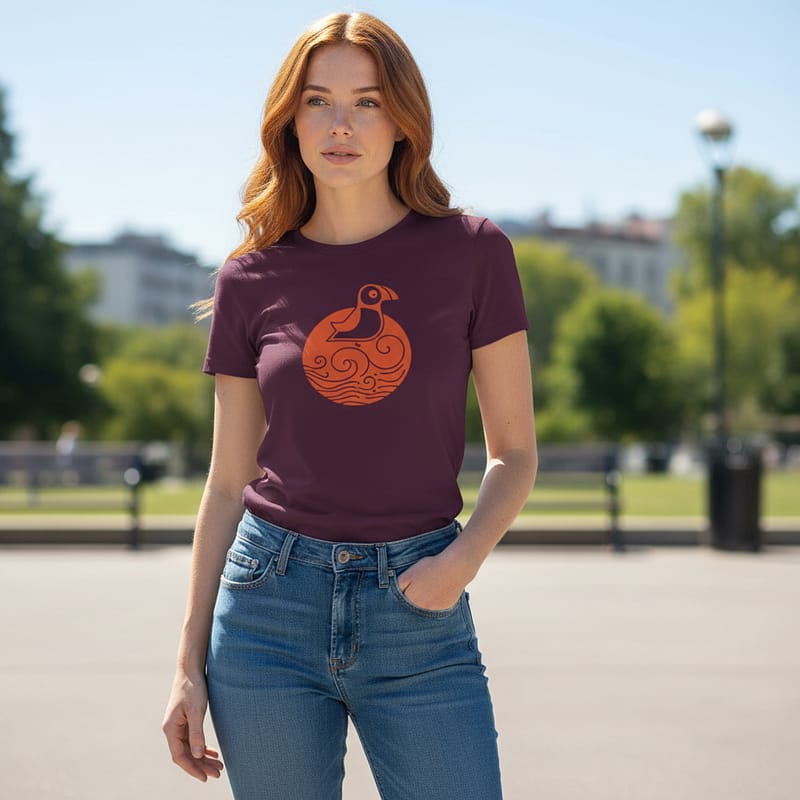
Picture this: you’re at a coffee shop, laptop open, when someone walks past wearing a tee featuring a cheerful puffin in a heroic pose. Your eyes meet. A nod. No words needed. You both know.
That’s the magic of open source merchandise — and it’s happening more and more in the wild.
What used to be niche conference swag has quietly evolved into something much more intentional. Linux fans, developers, and open-source advocates are increasingly choosing to wear their values in plain sight. Not because a brand told them to. Because they actually believe in something — software freedom, open collaboration, community over corporation — and they want the world to know it.
This is the story of how FOSS apparel went from geeky in-joke to genuine cultural movement. Whether you’ve been running Ubuntu since Warty Warthog or you just flashed your first ISO last week, there’s a place for you in this story.
From the Terminal to the T-Shirt: A Brief History of Geek Identity in Fashion
Geek identity in clothing has always existed — it just used to be accidental. The classic origin story is the conference lanyard, the vendor freebie tee two sizes too large, the sticker-plastered laptop that became an accidental mood board. For a long time, tech fashion was something that happened to you at events, not something you sought out.
Then came the maker movement, the explosion of developer conferences like FOSDEM and LinuxConf, and — perhaps most transformatively — remote work. Suddenly, your background and your hoodie were doing a lot of social signalling on video calls. People started caring what their wardrobe said about them, not just in professional terms, but philosophically.
Open source’s core ethos — transparency, community, building things in public — naturally extends to visible self-expression. If you believe in showing your work, why not show your values? The community noticed this alignment. The “free swag” era started giving way to something different: people actively seeking out and purchasing open source merchandise that reflected who they actually were.
It’s a small but meaningful shift. From passive recipient to intentional consumer. From “I got this free at a conference” to “I chose this because it means something to me.”
What Makes FOSS Apparel Different From Ordinary Fan Merch
Here’s the thing about wearing a Linux mascot tee versus, say, a sports team jersey: the motivations are fundamentally different.
Sports merch is tribal loyalty — you back your team, your city. Corporate fan merch is brand affinity, often passive consumption. But FOSS apparel? That’s alignment with a philosophy. Software freedom. Open collaboration. The idea that knowledge should be shared, not hoarded. These aren’t just technical preferences — they’re values people organise their professional lives and, increasingly, their wardrobes around.
Ubuntu’s guiding philosophy — ubuntu, the Zulu concept of “humanity toward others” — captures this perfectly. It’s not just a product name. It’s a worldview that says we’re stronger together, that community beats hierarchy, that what we build for each other matters. That kind of ethos translates into merchandise culture in an authentic way that no corporate lifestyle brand can manufacture.
Among developers, sysadmins, and CS students, Linux fan apparel functions as a kind of wearable secret handshake. Spot someone in a Tux hoodie at a meetup and you already have something to talk about. Wear a release mascot tee to your first open-source hackathon and watch how quickly the room warms up. The clothing signals values before a word is spoken.
The Linux Ecosystem Has Style: Celebrating Every Distro’s Identity
Let’s be clear: the FOSS fashion wave isn’t Ubuntu-only. It spans the whole beautiful, opinionated ecosystem. Arch users wear their “BTW” pride with gleeful intensity. Debian loyalists appreciate the timeless, rock-solid aesthetic. Fedora fans are out here representing bleeding-edge curiosity. The culture of distro identity is one of Linux’s most endearing quirks — and it absolutely extends into apparel.
Every distro has cultivated a distinct community personality over years of mailing lists, forums, and release cycles. These aren’t just different flavours of an operating system; they’re different communities with different values and vibes. Wearing your distro is a natural extension of belonging to that community.
Ubuntu, though, has a particular advantage in the apparel storytelling department: the mascot naming convention. Every release gets an alliterative animal name — Focal Fossa, Jammy Jellyfish, Plucky Puffin, Questing Quokka — and each carries a personality that fans immediately connect with. That’s a storytelling goldmine that translates exceptionally well into design.
Whatever your distro, the impulse is the same: you built your workflow around these tools, you believe in what they represent, and you want to carry that identity into the world beyond the terminal. That’s a universal FOSS impulse.
Ubuntu Mascots as Wearable Characters: More Than a Logo
There’s a reason mascot-based merchandise hits differently than a plain wordmark on a shirt. Characters give you something to connect with.
The Ubuntu mascot tradition is one of the open-source world’s most beloved quirks. Each release brings a new animal companion with its own implied personality — and the community runs with it. The Plucky Puffin is brave, adventurous, undaunted by rough seas — perfect for early adopters and anyone who runs do-release-upgrade on day one. The Focal Fossa is precise, fierce, and quietly formidable — the spirit animal of sysadmins who demand stability. The Questing Quokka radiates curious, relentless energy — an explorer who never stops asking why — which feels pretty on-brand for anyone who reads release notes for fun.
These aren’t arbitrary animals. Their traits mirror qualities the open-source community genuinely values: precision, curiosity, boldness, resilience, and — always — a sense of community spirit. When you wear a mascot tee, you’re not just repping a version number. You’re saying something about who you are.
Officially licensed Ubuntu mascot merchandise is a flagship example of open source merchandise done right: authentic artwork, community-aligned values, and designs specific enough to spark real conversation. It’s the difference between a generic Linux shirt and something that says this release, this community, this moment.
Who’s Actually Wearing Open Source Merchandise (and Why It’s Growing)
The audience for Linux fan apparel is broader than you might expect — and it’s expanding.
At the core are the obvious suspects: Linux enthusiasts, professional developers, sysadmins, CS students, and open-source advocates who’ve made FOSS a central part of their identity. For these folks, wearing their distro is as natural as having opinions about init systems.
But there’s a whole spectrum here. On one end, the 20-year Ubuntu veteran who remembers when WiFi configuration was a weekend project. On the other, the person who installed their first distro three months ago and is absolutely going to tell you about it. Mascot-based apparel bridges that gap beautifully — it’s accessible enough for newcomers, deep enough for veterans, and the mascot’s personality gives everyone a common talking point.
Then there’s the secondary audience that often gets overlooked: gift-buyers. Shopping for the developer or sysadmin in your life is notoriously difficult. Open source merchandise — especially mascot-based designs with clear personalities — solves this problem elegantly. You don’t need to know what a kernel is to pick a Questing Quokka hoodie for someone who clearly has the explorer spirit.
Cultural triggers matter too. Hacktoberfest. Release days. Dev meetups. The moment a new Ubuntu version drops, fans want to celebrate it — and wearing that release’s mascot is a natural expression of that energy.
How to Wear Your Distro: Choosing the Right FOSS Apparel for You
Finding your mascot merch doesn’t have to be complicated. Start with the personality test, not the version number: which Ubuntu release era resonates with you? Were you a Focal Fossa person — methodical, exacting, loves an LTS? Or does the Questing Quokka’s restless curiosity feel more like your vibe?
The full shop range covers different moods and use cases. A classic crew neck tee is your everyday workhorse — conference-ready, desk-to-pub versatile. Hoodies and sweatshirts are for the long debugging sessions and the late-night open-source contribution sprints. A Questing Quokka backpack makes a statement whether you’re heading to a hackathon or your morning commute.
For gift-buyers: match the mascot to the person. The precise, detail-oriented developer in your life? Focal Fossa. The bold early adopter who always upgrades first? Plucky Puffin. The curious, always-learning newcomer? Questing Quokka, without question.
One thing worth noting: officially licensed merchandise means the artwork and branding are authentic and community-respectful — not some bootleg screen-print that misses the spirit entirely. That matters when you’re wearing your values.
The Future of Open Source Merchandise: A Movement, Not a Moment
What we’re seeing isn’t a trend that’ll fade when the next cultural moment arrives. It’s a sign of a maturing open-source culture — one where community members are proud to be visibly identified with their values, not just online, but in everyday life.
Remote work accelerated this. When your home office background is your personal brand and your video call wardrobe does real social work, “wear what you believe in” stopped being a niche impulse and became genuinely normal. The creator and maker economy validated niche identity merchandise further — there’s a growing cultural permission to be specific about what you represent.
As Linux desktop adoption climbs and open-source software quietly powers more of the world’s infrastructure, the audience for Linux fan apparel will only grow. The person who just switched from Windows to Ubuntu is a future mascot-tee wearer. They just don’t know it yet.
The community has always built things worth being proud of — kernels, distros, ecosystems, philosophies. Now it’s wearing that pride too. And honestly? It looks good.
So the next time someone spots you in the wild — hoodie on, laptop open, tee featuring a slightly smug quokka — and gives you that knowing nod? You’ll know exactly what it means.
Ready to find your mascot? Start exploring officially licensed Ubuntu apparel here — and wear your open-source values with everything you’ve got.